
Day Treatment Blogs
Information and advice about addiction and recovery
Addiction Treatment Articles
Our blogs discuss all aspects of drug and alcohol misuse, addiction, and other mental health issues. Individual & Small Group Day Care Treatment Programmes in Marbella, Spain specialising in the treatment of substance and behavioural addictions and compulsive disorders.

After admitting powerlessness in Step One and finding hope in Step Two, Step Three asks a difficult question: Am I willing to stop relying solely on myself? This personal reflection explores surrender, self-will.

Ant colonies, artificial intelligence and AA might appear unrelated at first. Yet this reflection shows how emergent behaviour and shared experience reveal a wiser, collective path to addiction recovery. A power greater than any one person.

Step Two is often one of the most misunderstood Steps in recovery. It does not ask us to believe immediately. Instead, it invites us to become willing to explore the possibility that there may be a better way of living.

As AI becomes increasingly integrated into everyday life, deeper psychological questions are beginning to emerge around emotional safety, dependency, loneliness, communication, and the changing relationship.
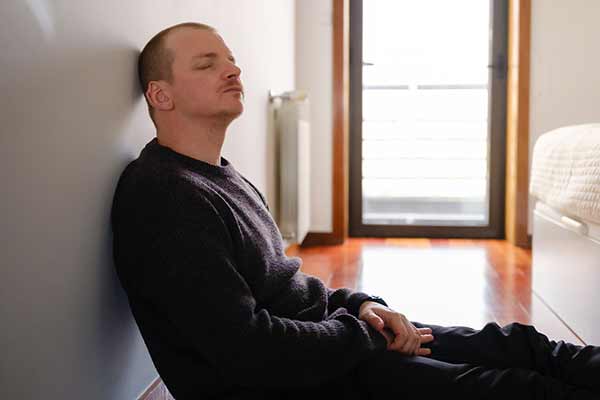
Many people misunderstand Step One. It is not about weakness or giving up. It is about recognising a battle that has already been lost and discovering that acceptance can become the foundation for lasting recovery.

As AI becomes more emotionally engaging and instantly accessible, questions are beginning to emerge around stimulation, dependency, dopamine reinforcement, and the psychological effects of constant digital interaction.

Recovery often begins at a moment of truth: the point at which a person realises that the way they have been living is no longer sustainable. For many people, recovery begins when they become “sick and tired of being sick and tired”.

The 12 health threats of alcohol—from cancer and brain damage to liver disease and addiction—and explains why understanding these serious medical risks strengthens sobriety and deepens gratitude for recovery.