
Day Treatment Blogs
Information and advice about addiction and recovery
Addiction Treatment Articles
Our blogs discuss all aspects of drug and alcohol misuse, addiction, and other mental health issues. Individual & Small Group Day Care Treatment Programmes in Marbella, Spain specialising in the treatment of substance and behavioural addictions and compulsive disorders.

In 2022, Tomas went out with friends to celebrate a birthday. It was an ordinary evening: good company, familiar faces and the kind of night that should have ended with him safely returning home to his wife, Mary, and their family.

You may describe a difficult day and receive a calm, thoughtful response. You may write about grief, anxiety, shame or loneliness, and the answer can appear understanding. It may identify the emotion in your words.
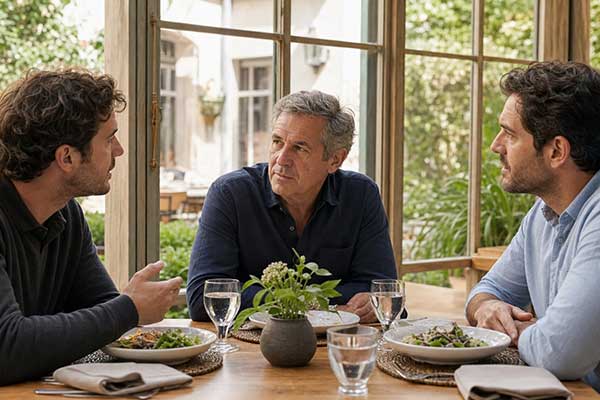
Step 9 in recovery is about taking responsibility for the harm we have caused and making amends wherever possible—without creating further injury. With guidance, honesty and patience, we can begin repairing the past.

After two months of writing and working with AI, I have seen how quickly it can move from a useful tool into everyday life. Its potential in recovery may be far-reaching—but where should the boundaries be?

Step Eight invites us to honestly consider how our actions have affected others. By making a list of the people we have harmed and becoming willing to make amends, we begin replacing guilt and avoidance.

In early recovery, an empty day can feel overwhelming. Without structure, the hours may seem long. Thoughts become louder. We may feel tempted to return to what is familiar, even when we know that way of living was causing harm.
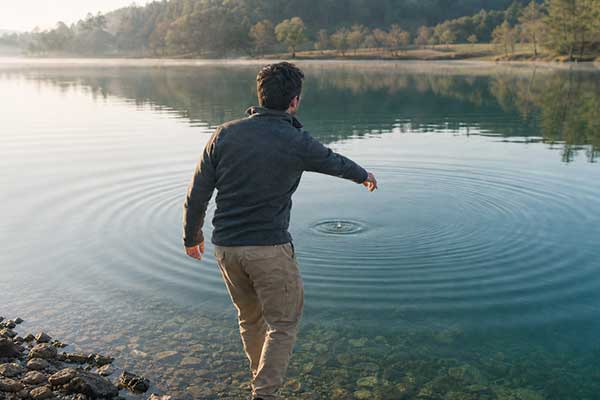
Artificial intelligence may help families better understand addiction, improve communication, and ask more effective questions—while recognising the importance of professional guidance and human support.

Step Seven asks us to approach our shortcomings with humility rather than shame. By asking for help and practising honesty, courage and compassion in their place, recovery becomes less like a suit of armour.