
12th August, 2026
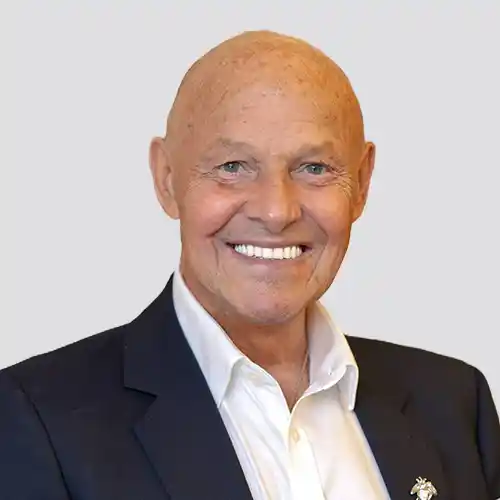
Review by: Chris Spencer, Addiction Specialist
Step Nine: Making Amends and Clearing Away the Wreckage of the Past
- Outpatient Addiction Treatment Centre
Reaching Step 9 can feel like a major turning point in recovery. After looking honestly at our past and becoming willing to put things right, we begin making amends.
Alcoholics Anonymous describes Step 9 as: “Made direct amends to such people wherever possible, except when to do so would injure them or others.”
Making amends is not simply about saying sorry. It is about accepting responsibility, repairing harm where possible and beginning to live differently.
The objective is to clear away the wreckage of the past without creating new damage.
Keep Your Sponsor or Mentor Close
Step 9 should not be rushed or attempted alone. This is a time to stay close to your sponsor, mentor or another trusted person with solid recovery experience.
Discuss every proposed amend before making it.
Discuss every proposed amend before making it.
What seems like the right approach to us may affect another person in ways we have not considered.

Before proceeding, ask:
- Is a direct amend appropriate?
- What exactly am I taking responsibility for?
- Could contacting this person cause further harm?
- Am I expecting forgiveness or a particular response?
- Is there a safer way to repair the damage?
Focus on What We Did
When making an amend, our attention stays on our own conduct. It is not the time to list what the other person did, defend ourselves or settle an old argument.
Phrases such as “I am sorry, but you also…” shift responsibility away from us. A Step 9 amend is about acknowledging our part clearly and honestly.
This does not mean pretending that the other person did nothing wrong. It means their behaviour is not the subject of our amend. We take responsibility for our actions and allow them to be responsible for theirs.
A simple approach might be: “I recognise that my actions caused you harm. I take responsibility for what I did. I would like to put things right where possible. Is there anything I can reasonably do to repair the damage?”
An amend should not demand forgiveness. The other person may be welcoming, angry, indifferent or unwilling to speak with us. Our responsibility is to approach the process honestly, not to control the response.
When the Past Involves Childhood Harm
Some painful experiences may have happened many years ago, including during childhood. It is essential to be clear: a child is never responsible for abuse, neglect or mistreatment inflicted upon them.
Step 9 should never be used to blame someone for being harmed. Nobody should be pressured to contact an abusive or unsafe person.
An experienced sponsor or trauma-informed professional can help distinguish between harm done to us and choices we may have made later in life. If we have carried anger, fear or resentment for years, healing may involve working through those feelings. However, having those feelings does not mean we owe an abuser an amend.
Safety comes first. In some circumstances, no contact is the healthiest and most responsible decision.
Not Every Amend Is Made Face to Face
Direct amends are appropriate only when they will not cause further injury. Depending on the circumstances, an amend may need to be:
- Made directly in person
- Made in writing
- Delayed until the time is right
- Made financially through repayment
- Made indirectly without contacting the person
- Expressed as a living amend through lasting changes in behaviour
Amends Require Action
An apology acknowledges what happened. An amend goes further by asking what can reasonably be done to repair the damage.
If we stole money, repayment may be necessary. If we were unreliable, the amend may involve becoming dependable. If our behaviour damaged trust, rebuilding it may take consistent action over time.
Promises alone are not enough. Our changed behaviour is often the most meaningful part of the amend.
If we stole money, repayment may be necessary. If we were unreliable, the amend may involve becoming dependable. If our behaviour damaged trust, rebuilding it may take consistent action over time.
Promises alone are not enough. Our changed behaviour is often the most meaningful part of the amend.
TAKE RESPONSIBILITY, BEGIN MAKING AMENDS
Speak with us. All conversations are confidential, with no obligation.
My Living Amend to My Sons
When I reached Step 9, I approached my two sons and asked them to join me for lunch. I explained that part of my recovery programme involved looking honestly at the harm I had caused, becoming willing to make amends and putting things right wherever possible.
I made my amends to them over lunch. However, I quickly learned that the words alone were not enough. They were an important beginning, but a genuine amend had to be supported by lasting change.
I decided that I would always make time for my sons. I would never be too busy to sit with them, listen to them and talk about what was happening in their lives—not turn every conversation towards my own problems.
My living amend is to listen without judgement and to be emotionally present whenever they need me. I cannot change the past, but I can choose what kind of father I am today. I intend to keep making that amend through my actions for the rest of my life.
Moving Forward with Honesty and Care
Step 9 takes courage, humility and patience. We do not undertake it to force forgiveness, erase every consequence or make ourselves look good. We do it to accept responsibility and put right what we can.
Stay close to your sponsor or mentor. Check every amend before making it. Focus on your own actions, protect everyone involved from further harm and remember that some repairs happen gradually through the way you live.
The past cannot be changed, but Step 9 gives us an opportunity to stop running from it. By making careful and responsible amends, we begin clearing away the wreckage and creating space for a different future.
This article provides general recovery information and is not a substitute for medical, psychological or safeguarding advice. If an amend could place anyone at risk, seek appropriate professional guidance before making contact. This website is not affiliated with or endorsed by Alcoholics Anonymous World Services.
If you think that you or someone you love might have a problem with drug or alcohol addiction, compulsive behaviour or emotional disorders, reach out and speak to our specialist addiction rehab treatment team on our confidential helpline +34 691 881 422. Immediate admission available.
Popular Blogs
-

First Things First: Why Order Matters in Recovery
The Urge to Fix Everything Immediately When someone decides they want to change, there is often a surge of motivation. It can feel urgent, important, almost like everything needs to be sorted out straight away.
-

1-to-1 Individual Day Treatment Programme for Addiction
When someone is looking for addiction treatment, the right setting matters. Some people benefit from the shared experience of a group programme. Others need something more private, flexible, and personally focused.