
5th August, 2026
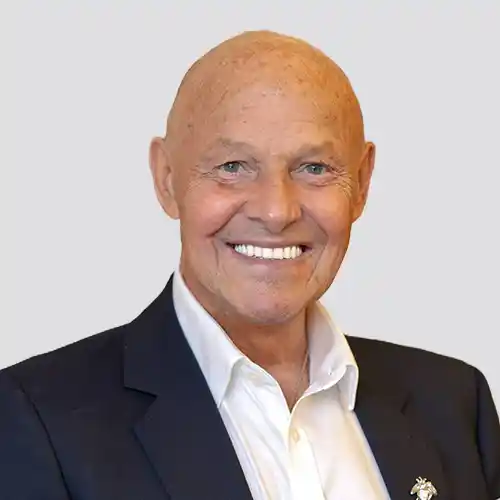
Review by: Chris Spencer, Addiction Specialist
AI and Recovery: Tool, Companion or Something More?
- Outpatient Addiction Treatment Centre
Addiction specialist Chris Spencer examines the rapidly growing role of artificial intelligence in everyday life and asks what it could mean for people in recovery. From early pattern recognition to late-night support, AI may become a valuable tool—and for some, even a companion. But where should the boundaries lie between helpful technology and human connection? This article explores the potential, the risks and the principles that should guide AI use in addiction recovery.
I have now been writing about artificial intelligence for approximately two months. During that time, something unexpected has happened: my own use of AI has increased dramatically.
Initially, I used it to research ideas, organise my thoughts and develop articles for the website. Gradually, it became part of my everyday working life. I began using it to explore questions, challenge my thinking, improve my writing and understand subjects from different perspectives.
Then I noticed the same change happening within my family.My sister lives in Australia and had never shown much interest in artificial intelligence. Recently, she telephoned me and explained that she had started using it. It had already become something of a companion to her—a place to ask questions, explore ideas and make everyday life more interesting. That conversation stayed with me. It demonstrated how quickly AI is moving beyond technology specialists and into ordinary homes.
The Acceleration Is Extraordinary
The figures support what many of us are witnessing. ChatGPT grew from more than 700 million weekly users in July 2025 to more than 900 million by February 2026. That is an increase of around 200 million in seven months—equivalent to an average of approximately six million additional weekly users for every week that passed.

By July 2025, users were already sending around 2.5 billion messages to ChatGPT every day.
A recent UK government survey found that 59% of adults had used generative AI during the previous three months. Among those users, 75% used it at least weekly, 35% used it daily and 83% used it for personal reasons.
These are not simply technology figures. They represent a major change in human behaviour.
Enthusiasm, Concern and Contradiction
People are using AI to write, plan, learn, create images, solve problems and hold conversations. At the same time, there are conflicting opinions about what this change means.
Norway recently recommended that pupils in Years 1–7 should generally be protected from using AI themselves in schoolwork. Older pupils may experiment with it carefully under supervision. Yet Norway’s education authorities also found that AI was already being used to some extent across virtually every school.
That contradiction captures the moment we are living through. Institutions are still deciding what the rules should be while millions of people are already making AI part of everyday life.
The question is no longer whether people will use it. The real questions are how they will use it, how deeply it will enter their lives and where healthy boundaries should be placed.
The Potential Within Recovery
In my opinion, the potential for AI to support people within the recovery community is far-reaching. Even at a basic level, it could help people understand addiction, recognise patterns in their behaviour, organise their thoughts and take the first steps towards asking for help.
Someone frightened by what is happening may be able to ask a question at two o’clock in the morning. A family member may use AI to understand denial, enabling or boundaries before speaking with an addiction professional. A person in recovery may use it to prepare a gratitude list, structure the following day or reflect on a difficult situation before reacting.
AI could also help people:
Used responsibly, AI could become a bridge between confusion and understanding, or between isolation and the first honest conversation.
Someone frightened by what is happening may be able to ask a question at two o’clock in the morning. A family member may use AI to understand denial, enabling or boundaries before speaking with an addiction professional. A person in recovery may use it to prepare a gratitude list, structure the following day or reflect on a difficult situation before reacting.
AI could also help people:
- Record changes in mood, sleep and routine
- Recognise repeated thinking patterns
- Prepare questions for therapy or treatment?
- Turn recovery goals into daily actions
- Review relapse warning signs
- Communicate more calmly with family members
- Find appropriate professional support
Used responsibly, AI could become a bridge between confusion and understanding, or between isolation and the first honest conversation.
Could AI Recognise Relapse Before We Do?
One of the most interesting possibilities is pattern recognition. Relapse is often preceded by changes in thinking, language, routine and behaviour.
A person may stop attending meetings, sleep badly, isolate themselves or become increasingly negative. Individually, these changes may appear small. Over time, a carefully designed system might recognise that the pattern is changing and encourage the person to contact their sponsor, therapist or recovery network.
However, AI should not diagnose addiction, predict someone’s future with certainty or make clinical decisions on incomplete information. Its role should be to notice possible patterns and encourage appropriate human support.
TURN INSIGHT INTO SUPPORTED RECOVERY
Speak with us. All conversations are confidential, with no obligation.
When a Tool Starts Feeling Like a Companion
AI is unlike many earlier technologies because it responds conversationally. It is available at any hour, appears patient and does not display shock, frustration or disappointment.
For someone experiencing shame or loneliness, that can feel comforting. It may help them express something they have been unable to say to another person. But the same qualities that make AI attractive may also create risk. A person vulnerable to dependency could begin seeking constant reassurance, avoiding difficult relationships or withdrawing further from the real world.
The dividing line is important: does AI support someone’s involvement in life, or does it help them escape from it? If it encourages honesty, treatment and human connection, it may be useful. If it replaces those things, it may become another form of avoidance.
What AI Cannot Replace
AI may provide information, reflection and structure, but recovery requires more than words on a screen.
It cannot replace a medical assessment, professional treatment or emergency support. It cannot reproduce the full meaning of sitting with another human being who understands pain, challenges denial and remains present through discomfort.
Recovery also requires accountability, changed behaviour and action in the real world. No technology can make an amend, attend a meeting, rebuild trust or choose honesty on somebody’s behalf. Human connection must remain at the centre.
Tool, Companion or Something More?
After two months of writing about AI, I am more convinced of its potential—but also more aware of the need for boundaries.
AI may become an important recovery tool and, for some people, may feel like a companion. Its most valuable role may be helping someone understand a problem, recognise a pattern or find the courage to speak honestly.
But it should lead people towards life, not away from it. It should strengthen professional help, recovery communities and family connection—not quietly replace them.
The possibilities may be far-reaching, but the principle should remain simple: use AI to support human recovery, while remembering that recovery itself still happens through honesty, responsibility, action and connection.
This article provides general information and personal reflection. AI cannot diagnose or treat addiction and is not a substitute for medical care, professional treatment or emergency services.
If you think that you or someone you love might have a problem with drug or alcohol addiction, compulsive behaviour or emotional disorders, reach out and speak to our specialist addiction rehab treatment team on our confidential helpline +34 691 881 422. Immediate admission available.
Popular Blogs
-

The 12 Health Threats of Alcohol: How Alcohol Harms Your Body
The 12 health threats of alcohol—from cancer and brain damage to liver disease and addiction—and explains why understanding these serious medical risks strengthens sobriety and deepens gratitude for recovery.
-

Step Eight: Making Amends Begins with Taking Responsibility
Step Eight invites us to honestly consider how our actions have affected others. By making a list of the people we have harmed and becoming willing to make amends, we begin replacing guilt and avoidance.