

28nd May, 2026
Review by: Chris Spencer, Addiction Specialist
The 12 Health Threats of Alcohol: How Alcohol Harms Your Body and Mind
- Outpatient Addiction Treatment Centre
Alcoholics Anonymous was formed in the 1930s by people who had reached a point of desperation. The founders were not medical professionals. They were sufferers who discovered through painful experience that they had lost power over alcohol and needed a practical way to live without it.
Out of that experience came the Twelve Steps and later the Big Book, which together laid down a spiritual and behavioural programme designed to restore sanity around drinking and provide a way of living without alcohol. In those early years, the dangers of alcohol were mainly recognised through visible consequences: public drunkenness, broken families, ruined finances, declining mental health, and people literally drinking themselves to death. The focus was survival and sobriety.
Today we understand far more about the biological and medical harm caused by ethanol, alcohol’s toxic chemical ingredient.
Modern science has shown that alcohol is not only dangerous for alcoholics. Research increasingly suggests that even moderate consumption can negatively affect the body and brain. Alcohol has now been linked to cancer, neurological damage, immune suppression, cardiovascular disease, and accelerated ageing. What earlier generations mainly saw as drunken behaviour we now also understand as a major public health issue.

Why Awareness Strengthens Recovery
For me, understanding the seriousness of alcohol’s medical harm strengthens my willingness to stay sober. It removes any romantic illusions I once had about drinking. Alcohol is not my friend. It is a toxic substance that affects nearly every organ system in the body.
When I understand that sobriety is not only protecting my relationships and peace of mind, but also my brain, heart, nervous system, and immune health, my motivation becomes stronger.
Sobriety stops being just an act of discipline. It becomes an act of self-preservation. AA talks about keeping fresh in our minds the worst consequences of drinking. Medical knowledge helps me do that in a practical and modern way.
Alcohol Is Not Just a Social Beverage, It Is a Biological Stressor
What I did not understand during my drinking years was that alcohol affects nearly every system within the body. It interferes with brain chemistry, disrupts sleep cycles, increases inflammation, weakens repair mechanisms, and alters emotional regulation.
Research increasingly suggests that even small amounts may have measurable biological effects.
This does not mean everyone who drinks becomes alcoholic. But it does mean alcohol is never biologically neutral. The body always has to process it as a toxic substance.
For years I believed alcohol was relieving stress. In reality, it was slowly creating biological, emotional, and psychological stress throughout my body and mind.
That is a powerful thing for me to understand because every glass brings some degree of impairment.
The 12 Health Threats of Alcohol
1. Cancer Risk
Alcohol is recognised as a Group 1 carcinogen alongside tobacco. It has been linked to cancers of the liver, breast, bowel, throat, and oesophagus.
2. Brain Damage and Cognitive Decline
Alcohol damages neurons, impairs memory and concentration, and over time may reduce brain volume and cognitive performance.
3. Mental Health Deterioration
Alcohol often worsens anxiety and depression despite temporarily masking emotional discomfort. It also increases suicide risk and emotional instability.
4. Liver Disease
The liver carries the burden of detoxifying alcohol. Fatty liver disease, hepatitis, fibrosis, and cirrhosis are common long-term consequences.
5. Heart and Cardiovascular Harm
Alcohol contributes to high blood pressure, irregular heart rhythms, stroke risk, and weakening of the heart muscle.
6. Immune System Suppression
Alcohol weakens immune response, making infections more likely and recovery slower.
7. Sleep Disruption
Alcohol may induce sedation but it significantly reduces sleep quality, particularly REM sleep, leading to fatigue, irritability, and poor mental recovery.
8. Digestive System Damage
Alcohol irritates the digestive tract and is linked to reflux, gastritis, pancreatitis, and impaired nutrient absorption.
9. Hormonal and Metabolic Disruption
Alcohol interferes with blood sugar regulation, metabolism, and hormone balance, increasing the risk of wider health complications.
10. Accelerated Ageing
Alcohol increases oxidative stress and inflammation, contributing to premature ageing of both the brain and body.
11. Addiction and Neurological Conditioning
Alcohol reshapes dopamine and reward pathways, making repeated use progressively harder to stop.
12. Increased Risk of Accidents and Injury
Impaired judgement, slowed reactions, and risk-taking behaviour significantly increase the likelihood of injury and death.
ALCOHOL HARM AWARENESS TO REAL RECOVERY PROTECTION
Speak with us. All conversations are confidential, with no obligation.
A Simple Message Worth Remembering
If I were to summarise this into something simple enough to sit on a banner in a recovery room, it might read:
The 12 Health Threats of Alcohol
The 12 Health Threats of Alcohol
- 1. Cancer causing
- 2. Brain damage
- 3. Mental health deterioration
- 4. Liver destruction
- 5. Heart disease
- 6. Weakens immunity
- 7. Destroys healthy sleep
- 8. Digestive damage
- 9. Metabolic disruption
- 10. Accelerates ageing
- 11. Addiction conditioning
- 12. Accident and injury risk
Gratitude for What Sobriety Protects
For many years I thought sobriety meant giving something up.
Today I see it differently.
Sobriety is not deprivation. It is protection.
Today I see it differently.
Sobriety is not deprivation. It is protection.
It protects clarity of mind.
It protects emotional balance.
It protects physical health.
It protects future possibilities and quality of life.
Science has helped me understand the medical harm alcohol causes. Recovery has helped me escape it.
The evidence is now overwhelming, alcohol damages health, shortens lives, and increases disease risk. The greater the consumption, the greater the long-term consequences.
By remaining sober, I am not only protecting my recovery, but also improving the quality and potential length of my life. That understanding deepens my gratitude for sobriety. And gratitude, I have learned, is one of the strongest protectors of recovery.
If you think that you or someone you love might have a problem with drug or alcohol addiction, compulsive behaviour or emotional disorders, reach out and speak to our specialist addiction rehab treatment team on our confidential helpline +34 691 881 422. Immediate admission available.
Popular Blogs
-
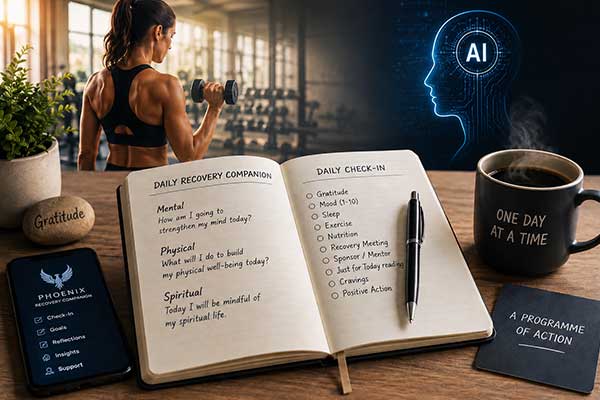
Daily AI Companion for Recovery: Accountability That Works
Explore how artificial intelligence can support addiction recovery through daily accountability, habit tracking, and personalised check-ins. Rather than predicting relapse, AI may help reinforce the actions that keep people sober.
-

AI, Dopamine and the New Psychology of Dependency
As AI becomes more emotionally engaging and instantly accessible, questions are beginning to emerge around stimulation, dependency, dopamine reinforcement, and the psychological effects of constant digital interaction.