
17nd May, 2026
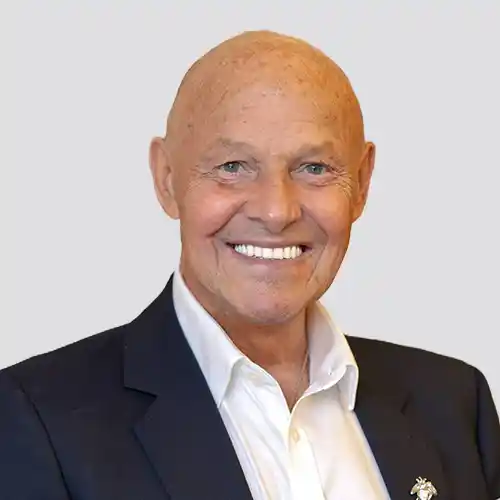
Review by: Chris Spencer, Addiction Specialist
AI and Addiction Recovery: Feeling Less Alone in Treatment
- Outpatient Addiction Treatment Centre
Late one evening, just before shutting down my computer, I found myself thinking about a question I had never seriously considered before:
Could artificial intelligence actually help someone struggling with addiction?
The answer surprised me.
Not because AI could “cure” addiction, but because of the ways it may support recovery when used carefully and responsibly. The more I reflected on it, the more I realised AI could become a useful tool in helping people organise their thinking, recognise destructive patterns, and possibly move toward change.
But addiction is not simply a lack of information. Most people struggling with alcohol, drugs, or destructive behaviours already know they are suffering. Addiction involves denial, emotional pain, distorted thinking, fear, trauma, and isolation.
Recovery is not simply about receiving answers. It is about honesty, connection, accountability, and change.
Loneliness, Isolation, and the Need to Be Heard
One of the things that struck me most while reflecting on AI and recovery was the role loneliness plays within addiction. Looking back, I probably would have used AI during the years I was struggling.
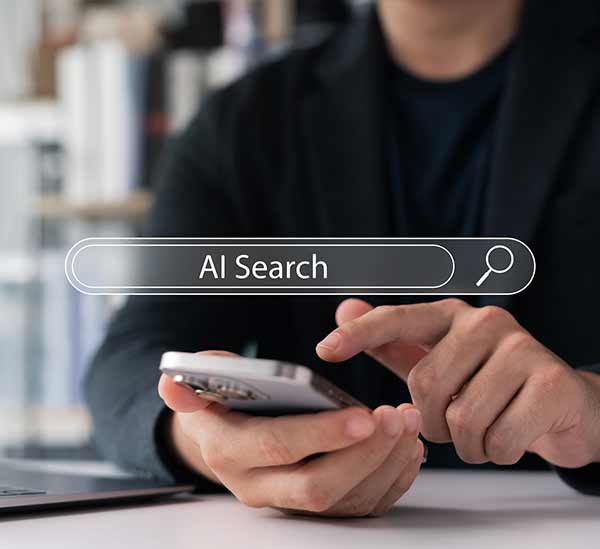
Not because I believe it would have magically changed my life or stopped me drinking, but because I was lonely, confused, and searching for some kind of direction out of the chaotic life I was living.
At times, I did not feel able to speak honestly to anyone. In those moments, even having something available that could quietly offer reflection, guidance, or possible pathways toward help may have mattered.
Would it have changed everything? I doubt it.
Recovery ultimately required honesty, willingness, human connection, and action. But it might have been one more doorway toward awareness at a time when I felt completely lost.
Many people struggling with addiction often feel unable to speak honestly about what is really happening in their lives. They may never initially call a therapist, walk into a recovery meeting, or speak openly to family members. Yet they may type a private question into AI late at night:
“Why can’t I stop drinking?”
“Do I have a problem?”
“How do I change my life?”
Those questions matter.
Sometimes the first step toward recovery is simply becoming willing to ask an honest question.
Sometimes the first step toward recovery is simply becoming willing to ask an honest question.
AI as a Mirror
One of the more interesting aspects of AI is that people often feel able to speak honestly to it. Without fear of immediate judgement, some individuals may reveal truths they have hidden from others for years.
In some ways, AI can act as a mirror.
It can help reflect:
In some ways, AI can act as a mirror.
It can help reflect:
Destructive thinking
Emotional triggers
Behavioural cycles
Excuses and contradictions
Addiction survives through denial, rationalisation, and avoidance. Sometimes seeing our own thoughts reflected back clearly can become uncomfortable, but also illuminating.
AI may also provide practical support:
AI may also provide practical support:
Recovery reminders
Journaling prompts
Coping strategies
Educational guidance
Encouragement
For somebody feeling isolated or emotionally overwhelmed late at night, even a reflective conversation may interrupt the momentum toward relapse.
FROM AI REFLECTION TO REAL RECOVERY SUPPORT
Speak with us. All conversations are confidential, with no obligation.
The Opposite of Addiction Is Connection
One of the most important truths in recovery is that the opposite of addiction is not simply sobriety — it is connection.
Addiction flourishes in secrecy, isolation, and emotional disconnection. The more disconnected a person becomes from themselves, other people, and reality, the deeper addiction often takes hold.
This is why human connection remains at the heart of recovery.
No matter how advanced technology becomes, AI should only ever be viewed as an additional support tool — not a replacement for genuine human relationships, therapy, fellowship, accountability, or shared experience.
Programmes such as Alcoholics Anonymous are built around honesty, shared experience, and one suffering person helping another. That human bond cannot simply be replaced by technology.
There is also another important danger worth recognising. Some individuals may begin using AI as another form of escape or emotional avoidance. If AI becomes a substitute for real-world relationships, recovery meetings, therapy, or emotional vulnerability, it may reinforce the very patterns that keep people trapped.
Used properly, AI may become:
A reflective tool
A support tool
An educational tool
Or even a bridge toward recovery
But lasting recovery still happens when people reconnect:
With themselves
With others
With purpose
And with life itself
A New Doorway Toward Awareness
My personal view is that AI will increasingly become part of the recovery world over the next decade. Not because it has all the answers, but because many people already turn to technology during moments of loneliness, fear, confusion, and emotional struggle.
If AI can help somebody pause before picking up a drink…
If it can help somebody recognise denial…
If it can encourage somebody to ask for help…
If it can guide somebody toward treatment, recovery meetings, or honest self-reflection… Then perhaps it already has value.
If somebody reading this is currently struggling with addiction, alcohol, drugs, or destructive behaviours, maybe there is no harm in opening up honestly somewhere for the very first time. Even typing a few truthful sentences into AI about who you are, what you are doing, and how you are really feeling may begin to break the silence that addiction depends upon. It may not change everything overnight.
But honesty itself can sometimes become the beginning of change.
From my own experience, I know addiction survives in silence, but recovery often begins the moment honesty enters the room.
Technology alone will never replace human recovery. But if AI helps somebody feel less alone long enough to reach toward genuine connection, treatment, or support, then perhaps it may serve a meaningful purpose after all.
AI should never replace professional treatment, therapy, medical advice, or real human connection — but it may become one more tool that helps somebody take their first step toward recovery.
If you think that you or someone you love might have a problem with drug or alcohol addiction, compulsive behaviour or emotional disorders, reach out and speak to our specialist addiction rehab treatment team on our confidential helpline +34 691 881 422. Immediate admission available.
Popular Blogs
-

Why Willpower Alone Is Not Enough in Addiction Recovery
Many people believe they just need more willpower to stop, but this belief keeps them stuck in the same cycle. This article explains why willpower alone isn’t enough in addiction recovery, and what actually creates lasting change.
-

The Ant Colony, AA, and Emergent Behaviour: A Greater Power
Ant colonies, artificial intelligence and AA might appear unrelated at first. Yet this reflection shows how emergent behaviour and shared experience reveal a wiser, collective path to addiction recovery. A power greater than any one person.