
3rd June, 2026
Review by: Chris Spencer, Addiction Specialist
The History of Alcoholics Anonymous: How the 12 Steps Help Change a Life
- Outpatient Addiction Treatment Centre
Recovery often begins at a moment of truth: the point at which a person realises that the way they have been living is no longer sustainable.
For many people, recovery begins when they become “sick and tired of being sick and tired”, exhausted not only by alcohol or addictive behaviour itself, but by the emotional chaos, fear, dishonesty, and loss of control that often surrounds it. That moment can bring fear, shame, and uncertainty, but it can also open the door to hope.
The 12-Step programme emerged from that kind of turning point, and its story begins with two men whose experience of addiction led them to build something that would change the course of recovery for generations.
How Alcoholics Anonymous Began
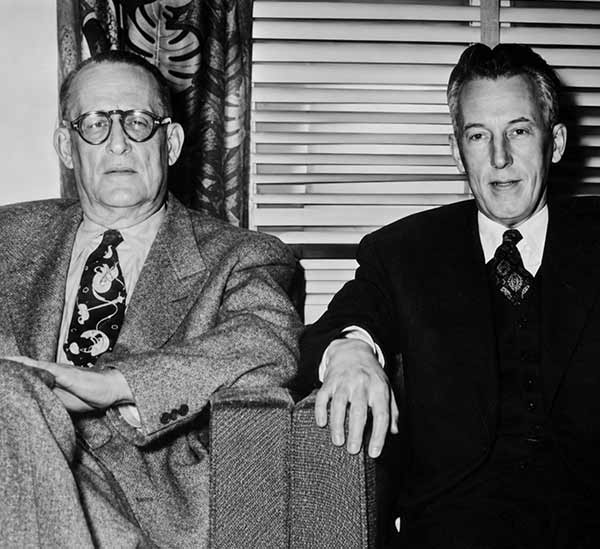
In 1935, Bill Wilson, a New York stockbroker, met Dr Bob Smith, a surgeon from Akron, Ohio. Both men were struggling with severe alcoholism and lives that had become increasingly unmanageable.
Their first meeting on 10 June 1935 is widely recognised as the beginning of Alcoholics Anonymous. What began as one conversation between two men grew into a fellowship that would go on to influence recovery support around the world.
Their first meeting on 10 June 1935 is widely recognised as the beginning of Alcoholics Anonymous. What began as one conversation between two men grew into a fellowship that would go on to influence recovery support around the world.
The early foundations of AA were influenced by the Oxford Group, a Christian spiritual movement that focused on honesty, self-examination, restitution, and helping others. Bill W. later adapted many of these principles into a broader recovery framework that became the 12 Steps.
Bill Wilson and Dr Bob
Bill Wilson, known as Bill W., was born in 1895 and died in 1971 at the age of 75. Dr Bob was born in 1879 and died in 1950 at the age of 71. Bill’s story is often told through the lens of alcoholism, but his recovery journey was complex and included later concerns surrounding dependence on sedatives and prescribed medications.
Dr Bob’s contribution was quieter but equally important, bringing a medical background, steady presence, and commitment to helping others. Together, they helped shape a model based on honesty, support, and shared experience.
Dr Bob’s contribution was quieter but equally important, bringing a medical background, steady presence, and commitment to helping others. Together, they helped shape a model based on honesty, support, and shared experience.
The Early Growth of AA
In the beginning, AA remained very small, with only a handful of members meeting in Akron and New York during the mid-1930s. It did not begin as a worldwide movement or a structured treatment model. It started with people trying to stay sober together, one day at a time. That simple act of one person helping another became the foundation of the fellowship.
The publication of the Big Book in 1939 helped spread the message of recovery far beyond the original meetings. By 1945, AA had grown to approximately 14,000 members across around 560 groups. By 1950, membership was approaching 100,000 worldwide, and the first International AA Convention was held in Cleveland, Ohio.
In 1956, the American Medical Association (AMA) formally recognised alcoholism as an illness. In 1967, the AMA further described alcoholism as a complex disease requiring medical and professional treatment. These developments marked an important shift in how addiction was understood, helping move public perception away from moral failure and towards a medical and psychological understanding of dependency.
FROM 12-STEP HISTORY TO YOUR NEXT STEP IN RECOVERY
Speak with us. All conversations are confidential, with no obligation.
How the 12 Steps Spread Worldwide
Today, AA says it has a presence in around 180 countries, with more than 123,000 groups and membership estimated at over two million people worldwide. AA literature and meetings are now available in more than 100 languages. That growth is remarkable, but perhaps even more remarkable is why the model has endured.
The 12 Steps continue to resonate because they speak to universal human experiences: denial, fear, loss of control, accountability, repair, and the need for support beyond the self.
The model has also been adapted for many different forms of compulsive behaviour. While the original Steps were written for alcohol recovery, they have since been reworked for drug addiction, gambling, overeating, codependency, sex addiction, debt, and other patterns of harmful behaviour. The language may change, but the process remains familiar: admit the problem, ask for help, take a personal inventory, make amends, and stay connected to others.
The 12-Step approach reached the United Kingdom in the years after the Second World War, with the first official AA meeting in Great Britain taking place at Grace Oursler’s suite in the Dorchester Hotel, London, on 30 March 1947. From there, it spread across Britain and into many other countries. What began as a local recovery effort in Akron grew into a global fellowship that has helped shape how people understand addiction and recovery.
AA itself is not run from one central headquarters. It is a fellowship supported by service offices and world services, with Alcoholics Anonymous World Services in New York acting as the main service base. This decentralised structure has helped preserve the original spirit of AA: local groups, shared experience, and mutual support.
Why the 12 Steps Still Matter Today
At its heart, the story of the 12 Steps is a story of hope. It shows that recovery does not begin with perfection; it begins with honesty and the willingness to reach out. That principle remains as powerful today as it was in 1935, and it continues to offer a path forward for people seeking change, stability, and a new way of living.
If you think that you or someone you love might have a problem with drug or alcohol addiction, compulsive behaviour or emotional disorders, reach out and speak to our specialist addiction rehab treatment team on our confidential helpline +34 691 881 422. Immediate admission available.
Popular Blogs
-

Can AI Help Families Understand Addiction Better?
Artificial intelligence may help families better understand addiction, improve communication, and ask more effective questions—while recognising the importance of professional guidance and human support.
-

Why Thinking Traps Keep People Stuck in Addiction
Most people think alcohol, drugs, or a behaviour are the main problem, but the real driver is the thinking that comes before them. This article shows how changing those patterns can turn short‑term effort into lasting recovery.