
11th June, 2026
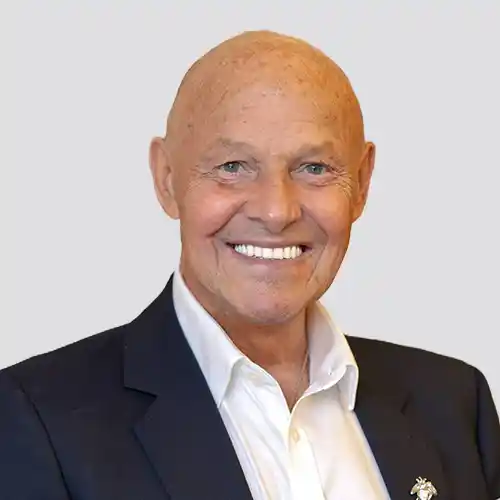
Review by: Chris Spencer, Addiction Specialist
AI, Human Vulnerability and the Extraordinary Pace of Change
- Outpatient Addiction Treatment Centre
AI is evolving faster than almost any technology humanity has ever encountered. Even within my own experience, I have noticed how quickly a person’s relationship with AI can evolve. What began initially as simple curiosity gradually became regular daily use, before naturally expanding into multiple areas of my personal and professional life.
A recent example involved my car being stolen here in Spain. The insurance contract was written entirely in Spanish, and I found myself struggling to fully understand the terms and conditions at a time when I was already stressed and anxious about the situation.
A recent example involved my car being stolen here in Spain. The insurance contract was written entirely in Spanish, and I found myself struggling to fully understand the terms and conditions at a time when I was already stressed and anxious about the situation.
If the current trend surrounding social media and constant digital stimulation continues, and I believe it will, we may need to start asking deeper questions about attention, connection, emotional dependency, and the long-term effects this level of stimulation may be having on the human mind.
I photographed the documents and uploaded them into AI
Within a very short time, I had clear answers to questions that had been causing considerable uncertainty and confusion. More importantly, I was guided toward the most appropriate course of action.

What affected me most was not simply the speed of the response, but the psychological effect of receiving immediate clarity, reassurance, and guidance during a stressful situation.
From that point onwards, my use of AI increased rapidly and almost organically. The more useful it became, the more naturally I began integrating it into other areas of my work and daily life. In many ways, the growth felt almost compounded, each positive experience increasing both confidence and curiosity about its wider capabilities.
A few months earlier, I had mentioned to my web designer that I had started using AI more regularly. His immediate response was caution. He warned me about what he believed were its limitations and suggested that websites could eventually be penalised for content that appeared too obviously AI-generated.
I took his concerns seriously
Not long afterwards, during a face-to-face meeting, we needed an answer to a technical question. I said casually, “No problem, I’ll ask AI,” and began typing:
“Please could you tell me…”
Before I had even finished the sentence, David interrupted me.
“Chris, this is a machine you’re writing to. You don’t have to say please or thank you. Don’t treat it as anything other than a machine.”
“Please could you tell me…”
Before I had even finished the sentence, David interrupted me.
“Chris, this is a machine you’re writing to. You don’t have to say please or thank you. Don’t treat it as anything other than a machine.”
Logically, I understood exactly what he meant
But what struck me afterwards was how naturally I had interacted with AI in human terms. Saying “please,” “thank you,” or “well done” was not deliberate or calculated. It was simply instinctive behaviour, part of ordinary human communication.
At the time, I did not think too deeply about it.
Then, around eighteen months later, during another discussion comparing information and data, the situation had subtly changed.
At the time, I did not think too deeply about it.
Then, around eighteen months later, during another discussion comparing information and data, the situation had subtly changed.
At one point David turned to me and said:
“Chris, could you ask AI… please could you tell us…”
The word “please” had quietly entered his own language too.
That moment stayed with me because it revealed something deeper about human psychology and communication.
Even when we intellectually understand that AI is not conscious, emotional, or human, the experience of immediate interaction, responsiveness, conversation, and engagement can naturally trigger human social behaviours.
The relationship begins to feel psychologically different from simply using software or searching the internet.
For much of my life I have struggled with what I describe as behavioural problems, although in truth they may simply have been life problems and my inability to emotionally deal with them in a healthy way.
Over time, those struggles also developed into alcoholism and drug addiction.
Looking back now, one of the things I remember most clearly was the feeling of not having anybody safe to turn to with the deeper questions I carried inside me. Questions about relationships, fear, insecurity, morality, emotions, identity, failure, and life itself.
Very often, when I tried to ask questions or express uncertainty, I experienced embarrassment, discomfort, or fear of being judged. Gradually, I learned to keep many thoughts to myself.
FROM ISOLATION TO MEANINGFUL CONNECTION
Speak with us. All conversations are confidential, with no obligation.
That silence became isolating
I believe many people experience something similar. Not necessarily dramatic trauma, but the quiet experience of feeling emotionally unable to ask honest questions without fear of rejection, criticism, shame, or misunderstanding.
What makes AI psychologically different is that for many people it can immediately feel safe to interact with.
It does not laugh. It does not visibly judge. It does not become impatient, dismissive, embarrassed, or emotionally reactive. Questions that might feel uncomfortable asking another human being can suddenly feel easier to ask.
For somebody struggling internally, that can become extremely powerful.
The interaction also provides something many people increasingly struggle to find in modern life, immediate attention, immediate engagement, and immediate response.
For a person who feels lonely, anxious, emotionally overwhelmed, isolated, or psychologically stuck, the experience of being able to ask difficult questions freely and receive calm, structured, and logical feedback can feel profoundly relieving.
That may partly help explain the extraordinary growth of AI
The attraction may not simply be technological curiosity or convenience. It may also reflect something deeper about unmet emotional needs, loneliness, human vulnerability, and the increasing difficulty many people have in finding safe, non-judgemental spaces to think openly.
What would genuinely interest me in future research is whether AI usage becomes even more pronounced amongst people struggling with addiction, emotional isolation, trauma, anxiety, compulsive behaviours, or what I would simply describe as “life problems.”
Because many emotionally struggling individuals already seek relief from internal discomfort through external means.
AI may now be entering that psychological space in a completely new way.
Not through chemicals or intoxication, but through interaction, reassurance, stimulation, understanding, guidance, and emotional safety.
At times, it feels as though humanity may be standing at the edge of something vast and largely unexplored, almost like a gateway into an area of knowledge so deep and potentially unending that we may only just be beginning to touch the surface of what is possible.
That may ultimately become one of the most important psychological questions surrounding AI, not whether the machine is human, but how easily human beings begin responding to it as though it is something more than data alone.
If you think that you or someone you love might have a problem with drug or alcohol addiction, compulsive behaviour or emotional disorders, reach out and speak to our specialist addiction rehab treatment team on our confidential helpline +34 691 881 422. Immediate admission available.
Popular Blogs
-

Gambling Addiction in Marbella: When It Stops Being a Game
Gambling can start as harmless entertainment, but over time it can shift into something harder to control. This article explores when gambling becomes a problem and how structured support can help create lasting change.
-

1-to-1 Individual Day Treatment Programme for Addiction
When someone is looking for addiction treatment, the right setting matters. Some people benefit from the shared experience of a group programme. Others need something more private, flexible, and personally focused.