
21st August, 2026
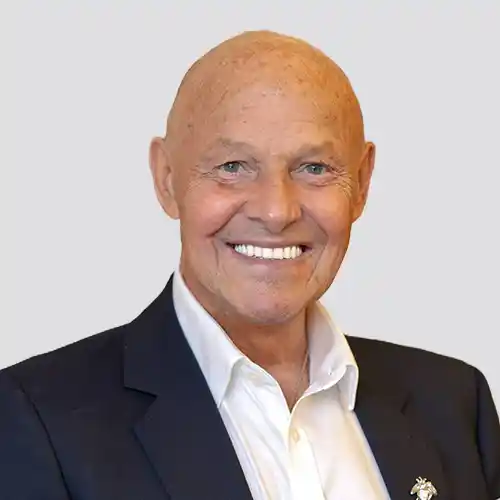
Review by: Chris Spencer, Addiction Specialist
The Wider Benefits of the Twelve Steps Recovery Journey
- Outpatient Addiction Treatment Centre
A Different Kind of Self-Improvement
For many years, I believed that if I could stop drinking, everything in my life would be alright.
Of course, stopping was essential. Alcohol had caused enormous problems in my life and had affected the people around me.
Of course, stopping was essential. Alcohol had caused enormous problems in my life and had affected the people around me.
But after I stopped, I began to understand something I had not expected: sobriety was only the beginning. The real work was learning how to live differently.
Over the years, I have come to believe that the principles behind the Twelve Steps can offer something valuable not only to people recovering from alcohol, drugs or behavioural addictions, but to anyone trying to become more honest, responsible and useful.
AA is not the only route to personal growth, and its spiritual approach will not suit everyone. I can only speak from my own experience. But the lessons I found in the Steps gave me a different kind of self-improvement.
They taught me that life is not only about becoming more successful. It is also about becoming a better person.

From Success to Character
Before I came to Alcoholics Anonymous, I attended personal-development seminars and read many books about success. Some of them were useful. They taught confidence, communication, leadership, goal-setting and financial ambition.
But they often seemed to ask the same question:
How can I get more from life?
There is nothing wrong with ambition. We all want to provide for our families, do well at work and make the most of our opportunities. But I had spent a great deal of my life thinking about what I wanted from other people, what I could achieve and how I appeared.
AA challenged me to ask a different question:
How can I become a better person?
That question was uncomfortable, because it required me to look honestly at myself. It meant admitting where I had been selfish, dishonest, frightened or unwilling to accept responsibility.
For me, that was where change began.
Many people, whether they are in recovery or not, know what it is like to protect an image. We want to appear strong, successful or in control. Yet real growth often begins when we stop pretending and become willing to see ourselves as we truly are.
The Things That Began to Change
As I worked through recovery, my attitude slowly changed.
Honesty began to replace image. Humility softened my ego. Compassion challenged my judgement of others. Forgiveness helped loosen old resentments. Gratitude gradually replaced entitlement, and service became more important than self-interest.
These changes did not happen overnight. They are still a work in progress. The biggest difference was that I became less focused on what I could get from life and more interested in what I could give. The question “What do I get?” was gradually replaced by a far more useful question:
What can I contribute?
That is a question that can help anyone. It may mean being more present for a partner, listening properly to a friend, admitting when we are wrong, or offering help without expecting something back.
Small changes in how we behave can transform the way we feel about ourselves.
The Paradox of Service
One of the greatest lessons I learned was the value of helping others.
Before recovery, I was often trapped in my own thoughts, worries and problems. The more I focused on myself, the larger those problems seemed to become.
When I began helping other people, something changed. I did not suddenly become free of difficulties, but I became less consumed by them.
Service does not mean ignoring our own needs or allowing people to take advantage of us. It means recognising that a meaningful life cannot be built entirely around personal gain.
Sometimes service is simply making a phone call, giving encouragement, sharing honestly with someone who is struggling or being there when another person needs support. These ordinary acts can remind us that we are connected to something larger than ourselves.
In my experience, helping others gave me a sense of purpose that achievement alone had never provided.
Compassion and Humility
Recovery also taught me to see people differently.
Compassion became more than sympathy. It became the ability to recognise another person’s suffering because I had known suffering myself. Instead of defining people by their mistakes, I began to understand that everyone carries burdens that other people may not see.
That does not mean excusing harmful behaviour or abandoning healthy boundaries. Understanding someone is not the same as approving of everything they do. But it can help us respond with less anger and less judgement.
Humility was another lesson I misunderstood for many years. I once thought humility meant weakness. Today, I see it as quiet strength.
Humility is being able to say, “I was wrong.” It is being willing to listen, learn and change. It is not believing that we are less important than other people; it is recognising that we are neither above nor below them.
For anyone trying to improve their relationships, this can be a powerful place to begin.
EMBRACE YOUR RECOVERY JOURNEY
Speak with us. All conversations are confidential, with no obligation.
A Practical School of Character
At their best, the Twelve Steps offer a practical school of character. They encourage honesty over denial, courage over fear, humility over pride, forgiveness over resentment and service over self-interest.
Their value is not in understanding every word perfectly. Their value is in practice.
When we admit a mistake, make amends where appropriate, forgive someone, show gratitude or help another person without seeking recognition, we strengthen the habits from which character is built.
The Steps do not promise perfection. They offer something more realistic: a way to examine ourselves, repair what we can and try to behave better today than we did yesterday.
That is a lifelong practice.
A Better Way of Living
The greatest education of my life did not happen in a university lecture theatre or at an expensive self-improvement seminar. It happened while sitting with ordinary people who had learned, often through great suffering, that a meaningful life is built not only by acquiring more for ourselves, but by becoming more useful to others.
The Twelve Steps may have been written to help people recover from alcoholism, but I have found that their principles reach much further. Honesty, humility, compassion, gratitude, forgiveness, responsibility and service are qualities that can help us build healthier relationships and more meaningful lives.
I cannot claim that the Twelve Steps are right for everyone. I can only describe what they have done for me.
I entered Alcoholics Anonymous hoping it might teach me how to stop drinking. I never imagined it would teach me how to live. Sobriety was the doorway. Character was the destination. To me, that is the wider benefit of the Twelve Steps.
This article is a personal reflection based on lived experience. It is not medical advice or an official statement from Alcoholics Anonymous. If you are concerned about alcohol, drugs or another addictive behaviour, seek support from an appropriately qualified professional.
If you think that you or someone you love might have a problem with drug or alcohol addiction, compulsive behaviour or emotional disorders, reach out and speak to our specialist addiction rehab treatment team on our confidential helpline +34 691 881 422. Immediate admission available.
Popular Blogs
-

Step Ten: Daily Inventory and Honest Living in Recovery
Step Ten is a daily practice of honest living. By taking a personal inventory, admitting when we are wrong, and making amends where appropriate, we can prevent small mistakes from becoming larger problems.
-

What AI Reveals About Human Thinking: Denial, Self-Awareness
Artificial intelligence is teaching us many things about technology. Unexpectedly, it may also be teaching us something about ourselves. One of the greatest challenges in addiction recovery is learning to see ourselves clearly.