
26th August, 2026
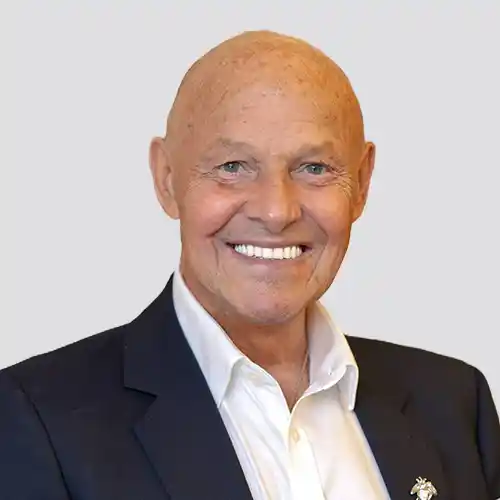
Review by: Chris Spencer, Addiction Specialist
Alcoholism and Drug Use in an Age of Abundance
- Outpatient Addiction Treatment Centre
From Scarcity to Surplus
For most of human history, scarcity imposed its own restraints. Alcohol and mind-altering substances existed. But availability was limited by geography, harvests, trade and local customs. That world has changed. Today, alcohol is everywhere. It is available in:
Supermarkets
Restaurants
Hotels
Airports
Sporting venues
Home delivery services
Drug supply has changed too. Modern chemistry has produced substances that are stronger, faster acting and, in some cases, far more dangerous. The human brain has not fundamentally changed.
The environment around it has. Ancient systems of appetite, pleasure, reward and craving now exist in a world capable of supplying powerful substances almost continuously.
The environment around it has. Ancient systems of appetite, pleasure, reward and craving now exist in a world capable of supplying powerful substances almost continuously.

For most people, this does not become addiction. For the susceptible person, however, abundance can become dangerous. The object of the compulsion may be:
Powerful
Inexpensive
Easy to obtain
Capable of changing how we feel within minutes
That combination matters.
The Evolutionary Mismatch
Human beings evolved in a world where valuable resources were often scarce.
Food was not always available. Sweetness was rare. Pleasure was not available on demand. Our brains therefore became very good at encouraging us to seek things connected with reward, relief and survival.
The problem is that those same reward systems now operate in a very different world. A world of almost unlimited choice. A world of instant access. A world of immediate gratification. We can see this in our relationship with:
The problem is that those same reward systems now operate in a very different world. A world of almost unlimited choice. A world of instant access. A world of immediate gratification. We can see this in our relationship with:
Processed food
Sugar
Gambling
Social media
Digital entertainment
Alcohol and drugs
Alcohol and drugs are especially powerful because they do not simply give us something pleasurable. They can change how we feel. For some people, alcohol or drugs temporarily reduce:
Anxiety
Tension
Loneliness
Inhibition
Emotional pain
Self-consciousness
The brain can begin learning a simple lesson:
Discomfort → substance → relief
Repeat that often enough and the association can become stronger. Wanting becomes craving. Craving can become compulsion. Eventually, a person may find themselves doing something they have genuinely decided not to do. Again and again.
Discomfort → substance → relief
Repeat that often enough and the association can become stronger. Wanting becomes craving. Craving can become compulsion. Eventually, a person may find themselves doing something they have genuinely decided not to do. Again and again.
Potency, Availability and Loss of Control
The substances available today can also be much more concentrated than those available to previous generations. Distillation allowed large quantities of alcohol to be consumed in relatively small volumes.
Modern drug production has created its own version of the same problem. Certain drugs can produce an intense effect very quickly. Potency may also vary. That creates another risk.
The human organism has not evolved at the same speed as the substances being produced. What we can consume has changed dramatically. Our basic biology has not. This matters because alcohol and drugs can affect the very abilities needed to regulate their use.
They can impair:
Judgement
Inhibition
Impulse control
Decision-making
Long-term thinking
Therein lies one of addiction's cruel paradoxes. The substance affecting judgement is being consumed by the very brain required to exercise that judgement.
For someone who repeatedly loses control once drinking or drug use begins, the problem is not always simply a lack of willpower. Sometimes the first drink or first drug sets the process in motion.
For someone who repeatedly loses control once drinking or drug use begins, the problem is not always simply a lack of willpower. Sometimes the first drink or first drug sets the process in motion.
The Culture of Consumption
Modern society does more than make alcohol available. It makes drinking attractive. Alcohol is associated with:
Celebration
Relaxation
Friendship
Sport
Romance
Success
Sophistication
Champagne accompanies weddings. Beer accompanies football. Wine accompanies dinner. A drink at the end of a difficult day is often presented as a reward.
Drug use has a different culture. But certain drugs can still become associated with:
Nightlife
Confidence
Energy
Escape
Belonging
Performance
What we see far less often are the consequences. Dependency. Fear. Anxiety. Illness. Remorse. Secrecy. Damaged relationships. Isolation.
And the despair of repeatedly doing something you promised yourself you would never do again. The person trying to recover therefore faces more than a substance. They also face a culture constantly offering stimulation and immediate relief. That can lead to familiar thoughts:
And the despair of repeatedly doing something you promised yourself you would never do again. The person trying to recover therefore faces more than a substance. They also face a culture constantly offering stimulation and immediate relief. That can lead to familiar thoughts:
Perhaps it wasn't really that bad.
Perhaps I can control it now.
Perhaps this time will be different.
Surely one won't hurt.
Relapse can begin before the alcohol or drug is consumed. It can begin with the thought.
When More Becomes Less
Human beings adapt quickly to pleasure. What initially feels exciting soon becomes familiar. What once felt extraordinary can become ordinary. Alcohol and drugs can take this natural process somewhere much darker.
Tolerance can develop. Increasing amounts may be needed to create the same effect. Then something changes. The person may stop using primarily to feel good. They begin using to avoid feeling bad. send me the second part now. More no longer produces more. More simply creates a greater need for more.
This tells us something important about addiction. But it also tells us something about modern life. Consumer culture constantly tells us that satisfaction lies in the next thing. More money. More status. More possessions. More recognition. More excitement. More stimulation.
But desire does not have a natural finishing line. A society that has become very good at producing abundance must also learn something else. How to say enough.
FREEDOM BEGINS WITH ONE CLEAR CHOICE
Speak with us. All conversations are confidential, with no obligation.
AA and the Twelve Step Answer
Alcoholics Anonymous offers a very different answer.
It removes the negotiation.
Instead of asking: “How many drinks can I safely have?” the recovering alcoholic works with a much simpler idea: “I will not take the first drink today.”
Other Twelve Step fellowships apply a similar principle to drug addiction. That simplicity can be liberating. It removes the constant argument inside the mind. Twelve Step recovery also offers something very different from consumer culture.
There is nothing to buy. There is no promise that happiness can be consumed. Instead, recovery is built around:
Consumerism asks: “What can I get?” Recovery increasingly asks: “What can I give?” Addiction isolates. Fellowship reconnects. Addiction pulls attention inward. Recovery begins to turn it outward. That change is about much more than simply removing alcohol or drugs.
Other Twelve Step fellowships apply a similar principle to drug addiction. That simplicity can be liberating. It removes the constant argument inside the mind. Twelve Step recovery also offers something very different from consumer culture.
There is nothing to buy. There is no promise that happiness can be consumed. Instead, recovery is built around:
- Fellowship
- Honesty
- Self-examination
- Amends
- Humility
- Service
- one person helping another
Consumerism asks: “What can I get?” Recovery increasingly asks: “What can I give?” Addiction isolates. Fellowship reconnects. Addiction pulls attention inward. Recovery begins to turn it outward. That change is about much more than simply removing alcohol or drugs.
Why Meetings Matter
Someone can leave an AA or other Twelve Step meeting and return straight back into the same world. Alcohol is still there. Drugs still exist. Stress is still there. Loneliness is still there. Temptation has not disappeared.
The meeting provides a different message. It reminds the person that recovery is normal too. Someone may walk into a meeting thinking: One drink won't hurt. Or: I can control it this time. Then they hear someone explain how exactly that thought led them back into addiction.
Experience passes from one person to another. That matters. Sometimes we can learn from another person's pain without having to repeat it ourselves. That is one of the great strengths of fellowship.
Sobriety as Liberation
Modern society often defines freedom as access. The freedom to buy. The freedom to consume. The freedom to experience whatever we want. Addiction exposes a weakness in that definition.
If someone is free to drink but cannot reliably stop drinking, how free are they? If someone is free to take a drug but increasingly feels unable to live without it, is that freedom? There is another kind of freedom. Freedom from being ruled by appetite.
At first, abstinence can feel like deprivation. Alcohol or drugs may look like freedom. Sobriety may look like restriction. Over time, the opposite can become true. The freedom to use had gradually become the compulsion to use. Abstinence can then become a doorway to something very different:
Freedom from obsession
Freedom from craving
Freedom from secrecy
Freedom from constantly obtaining and using
AA and related Twelve Step fellowships do not attempt to remove alcohol or drugs from society. They help the individual change their relationship with addiction. Through:
Abstinence
Fellowship
Self-examination
Humility
Service
Over time, something remarkable can happen. The thought changes from: “I am no longer allowed to have that.” to: “I no longer need that.” In an age constantly telling us that happiness comes from having more, recovery offers a very different message.
Sometimes freedom begins when we finally say enough. Sobriety is not deprivation in a world of abundance. It is freedom from the tyranny of wanting more.
Sometimes freedom begins when we finally say enough. Sobriety is not deprivation in a world of abundance. It is freedom from the tyranny of wanting more.
If you think that you or someone you love might have a problem with drug or alcohol addiction, compulsive behaviour or emotional disorders, reach out and speak to our specialist addiction rehab treatment team on our confidential helpline +34 691 881 422. Immediate admission available.
Popular Blogs
-

Step Five: Admitting the Exact Nature of Our Wrongs
Step Five is one of the most powerful moments in recovery. By admitting the exact nature of our wrongs to God, ourselves and another human being, we begin to replace shame with honesty and experience the freedom of living.
-

1-to-1 Individual Day Treatment Programme for Addiction
When someone is looking for addiction treatment, the right setting matters. Some people benefit from the shared experience of a group programme. Others need something more private, flexible, and personally focused.