
2nd Oct, 2026
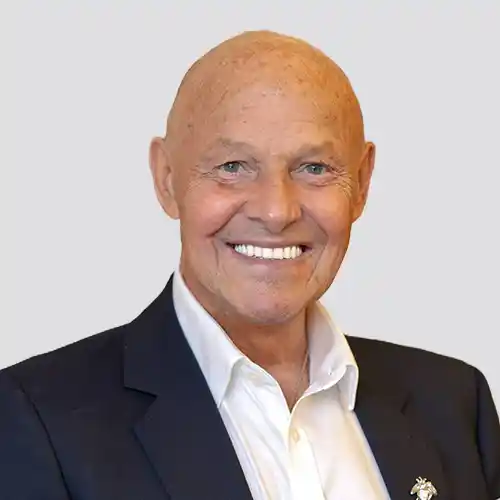
Review by: Chris Spencer, Addiction Specialist
The Spiritual Side of Addiction Recovery - Holistic Healing
- Outpatient Addiction Treatment Centre
Addiction recovery is not simply about stopping alcohol or drug use. It is also about rebuilding health, relationships, purpose and the ability to make decisions that reflect the person someone wants to become.
For many people, spirituality becomes part of that process. It may involve faith, prayer, a higher power, meditation, nature, personal values, service to others or a renewed sense of purpose. It does not have to mean belonging to a religion, and no one should be pressured to adopt a particular belief.
Recovery can take many pathways. Clinical treatment, medical care, therapy, peer support, family involvement, physical wellbeing and spiritual practice may all play a part. The most appropriate combination depends on the individual, their health, their substance use, their support network and their own values.
Religion and Spirituality Are Not the Same
Religion is usually an organised system of beliefs and practices. It may include shared teachings, sacred texts, rituals, moral guidance, community and recognised leaders. For some people, religious faith provides structure, fellowship, hope and a sense of belonging during recovery. Spirituality is broader and more personal. It can be a search for meaning, connection, inner peace or a relationship with something greater than oneself.

That may be God, but it may also be nature, humanity, love, community or deeply held personal values.
A person can be both religious and spiritual. They can be spiritual without following a religion. They can also recover without identifying with either. What matters is whether an approach is honest, safe and genuinely supportive.
A person can be both religious and spiritual. They can be spiritual without following a religion. They can also recover without identifying with either. What matters is whether an approach is honest, safe and genuinely supportive.
A Whole Person Approach to Addiction Recovery
It can be helpful to think about recovery in physical, mental and spiritual terms. This is a useful recovery model, not a claim that every person’s addiction has exactly the same causes or requires the same treatment.
The physical side can include withdrawal management, sleep, nutrition, exercise and medical care. The mental side can include therapy, learning new coping skills, treating anxiety or depression, and understanding patterns that contribute to substance use.
The spiritual side often concerns values, purpose, connection and character. It can help someone ask difficult but useful questions: “How do I want to live?” “What matters to me?” “How do I rebuild trust?” and “What do I do when I feel afraid, angry or tempted to escape?”
The US Substance Abuse and Mental Health Services Administration describes recovery as a personal process that can involve health, home, purpose and community. It recognises that recovery is holistic and that people may use many different pathways, including clinical treatment, peer support and faith-based approaches.
Rebuilding a Moral Compass
Active addiction can affect judgement, relationships and behaviour. People may become dishonest, frightened, self-centred, avoidant or inconsiderate in ways that do not reflect their deeper values. This should not be understood as a moral verdict on someone’s character. Addiction is not simply a failure of willpower.
However, recovery can involve taking responsibility for the impact of past behaviour and learning to act differently. This is where the idea of a moral compass can become useful.
A moral compass is built through repeated choices. It may involve practising honesty instead of dishonesty, courage instead of avoidance, consideration instead of selfishness and responsibility instead of blame.
Keeping one’s word is part of that process. Possessions may be gained, lost or replaced. Trust is harder to rebuild. A person’s word has value because it reflects their integrity and reliability.
Keeping a promise does not mean never making a mistake. It means being truthful when something has gone wrong, communicating clearly, accepting responsibility and making amends where possible.
Daily Reflection and Spiritual Practice
Many recovery programmes encourage a daily review of thoughts, behaviour and intentions. Some people begin the day with prayer. Others may spend a few quiet minutes reflecting, writing in a journal, meditating or setting an intention for the next 24 hours.
For someone with a religious faith, this may mean asking God for guidance. For someone who does not identify with religion, it may mean asking: “How can I act with honesty, patience and care today?”
The language is less important than the practice. Daily reflection can create a pause between an impulse and an action. It can help a person notice resentment, fear, dishonesty or self-centred thinking before those patterns cause harm.
Twelve-step programmes are one possible pathway for people who find a spiritual approach helpful. A Cochrane review found that Alcoholics Anonymous and professionally delivered twelve-step facilitation can be effective options for some adults with alcohol use disorder. They are not the only evidence-based route to recovery, and the right support will differ from person to person.
BEGIN YOUR HOLISTIC RECOVERY JOURNEY
Speak with us. All conversations are confidential, with no obligation.
When Professional Treatment May Help
Spiritual reflection can be valuable, but it is not a substitute for medical care, psychological treatment or professional addiction support.
Alcohol withdrawal can be dangerous for some people. NICE advises that people at high risk of withdrawal seizures or delirium tremens should be offered hospital admission for medically assisted withdrawal. Anyone worried about withdrawal, severe mental distress or immediate safety should seek professional medical advice promptly.
For people who are medically stable and do not require residential or inpatient care, structured day treatment may offer a practical route into recovery. At our non-residential addiction treatment programme in Marbella, clients stay in their own home, apartment, hotel or other suitable accommodation and attend structured treatment during the day.
Suitability depends on individual clinical needs, withdrawal risk, mental health, accommodation, support at home and the level of care required. A confidential assessment can help establish whether outpatient addiction treatment in Marbella is appropriate.
Spirituality Is About Progress, Not Perfection
The spiritual side of addiction recovery is not about becoming perfect or following somebody else’s beliefs. It is about becoming more aware, more honest and more willing to live according to values that matter.
For some people, that involves religion. For others, it is found through connection, service, reflection and a renewed sense of purpose. Alongside appropriate treatment and support, these practices can help build the foundations for a more stable and meaningful life.
For some people, that involves religion. For others, it is found through connection, service, reflection and a renewed sense of purpose. Alongside appropriate treatment and support, these practices can help build the foundations for a more stable and meaningful life.
Frequently Asked Questions
Do I need to be religious to benefit from spiritual recovery?
No. Spirituality can involve religion, but it can also involve personal values, connection, meditation, nature, community or a sense of purpose.
Can spirituality replace addiction treatment?
No. Spiritual practices may support recovery, but they do not replace medical assessment, withdrawal management, therapy or professional addiction treatment when these are needed.
Is outpatient day treatment suitable for everyone?
No. Day treatment may be suitable for some medically stable people, but it is not appropriate for everyone. Withdrawal risk, mental health, home circumstances and clinical needs should be assessed carefully.
Can I stay in my own accommodation while receiving treatment in Marbella?
At a non-residential day treatment programme, clients arrange and stay in their own suitable accommodation and attend structured treatment during the day.
If you think that you or someone you love might have a problem with drug or alcohol addiction, compulsive behaviour or emotional disorders, reach out and speak to our specialist addiction rehab treatment team on our confidential helpline +34 691 881 422. Immediate admission available.
Popular Blogs
-

1-to-1 Individual Day Treatment Programme for Addiction
When someone is looking for addiction treatment, the right setting matters. Some people benefit from the shared experience of a group programme. Others need something more private, flexible, and personally focused.
-

Why Thinking Traps Keep People Stuck in Addiction
Most people think alcohol, drugs, or a behaviour are the main problem, but the real driver is the thinking that comes before them. This article shows how changing those patterns can turn short‑term effort into lasting recovery.