
10th July, 2026
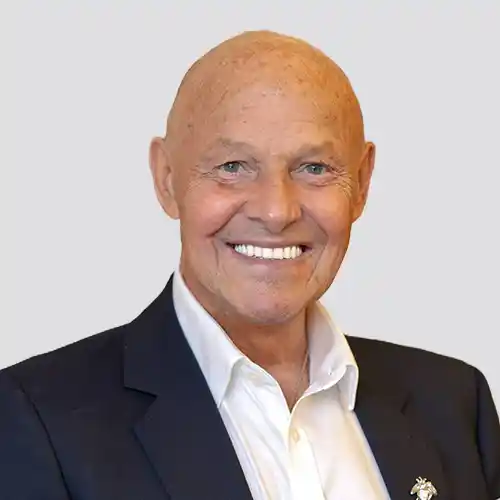
Review by: Chris Spencer, Addiction Specialist
AI, Addiction and the Stories We Tell Ourselves
- Outpatient Addiction Treatment Centre
How Artificial Intelligence Reveals the Hidden Patterns Behind Human Thinking
When Stopping Was Not the Real Problem
When Stopping Was Not the Real Problem - For many years, I believed my problem was alcohol, drugs and sleeping tablets. At the time, they had become a serious problem.
They were affecting my health, my relationships, my decisions and eventually my ability to function.
My whole world revolved around drinking, drugs and sleeping tablets.
They were not just part of my life — they had become my life. Like many people suffering from addiction, I believed the answer was simple: “If I could just stop drinking and using drugs, everything would be okay.” The strange thing was, sometimes I could stop.
Stopping was not my biggest problem. Staying stopped was. That was the beginning of a much deeper journey, because once the substances were removed, I was left with something I had never truly examined before: My own thinking.

Understanding the Thinking Behind Addiction
Over time, I discovered that my addiction was not only about what I was putting into my body. It was also about the thoughts, beliefs and stories I had created that eventually led me back there.
My mind could justify almost anything. It created reasons, excuses and explanations — and most dangerously, it made those explanations feel completely true.
Today, as artificial intelligence develops at a speed many of us could never have imagined, it is revealing something fascinating. Maybe one of the greatest discoveries AI can show us is not only about machines. Maybe it is about ourselves.
The Human Brain Creates Stories
Human beings are storytelling machines. Our brains constantly try to understand and explain our experiences:
Why do I feel this way?
Why did this happen to me?
Why did I make that decision?
The challenge is that the explanation we create is not always the truth. Someone under pressure may believe: “I need a drink because of my responsibilities.” Someone experiencing emotional pain may think: “I have been treated unfairly.” Someone living with fear may believe: “When everything else changes, then I will change.” At the time, these thoughts can feel completely reasonable. But feelings are not always facts.
When Feelings Become Facts
Our brains are influenced by emotions, memories, fear, previous experiences and our natural need to protect ourselves. Psychology describes something called confirmation bias.
This means the human mind often searches for information that supports what it already believes, while ignoring evidence that challenges it. Looking back, I can see this clearly.
If my addiction wanted a reason to drink, my thinking would find one. If I wanted to avoid responsibility, my thinking could build a convincing argument. Many times the conclusion came first. The explanation came afterwards.
How Addiction Changes Our Perception
Addiction does not only affect behaviour. It affects perception. The brain begins creating a story that protects the addiction. Common thoughts can include:
“I deserve this.”
“I need this to cope.”
“I’ll stop when things improve.”
“I’m different from other people.”
“I still have control.”
These thoughts are not random. Over time, they become repeated patterns of thinking.
“I deserve this.”
“I need this to cope.”
“I’ll stop when things improve.”
“I’m different from other people.”
“I still have control.”
These thoughts are not random. Over time, they become repeated patterns of thinking.
The Brain’s Reward System and the Story of Survival
The reward system in the brain is designed to help us survive. It encourages us to repeat experiences connected with pleasure, comfort and relief.
But addictive substances and behaviours can take control of this system. Something that is causing harm can slowly begin to feel like the solution. Looking back, my thinking was often moving towards the same outcome before I even realised it. The decision had sometimes been made before I knew I was making it.
But addictive substances and behaviours can take control of this system. Something that is causing harm can slowly begin to feel like the solution. Looking back, my thinking was often moving towards the same outcome before I even realised it. The decision had sometimes been made before I knew I was making it.
What Artificial Intelligence Shows Us About Thinking
Artificial intelligence works by recognising patterns. It analyses information, identifies connections and responds based on the information available. Unlike humans, AI does not experience:
fear
shame
pride
emotional pain
cravings
It does not have a reward system pushing it towards a particular outcome. This does not mean AI is always right. AI depends on the quality and honesty of the information it receives. But that itself teaches us something powerful. Humans are similar. The answers we find often depend on the information we are willing to honestly provide.
Three Sides to Every Story
There is an old saying: “There are three sides to every story — my side, your side, and the truth.” Much of recovery is learning to move closer towards the truth.
Because our perception of what happened and what actually happened are not always the same thing. Recovery requires honesty. Not just honesty with other people, but the courage to question the stories we have been telling ourselves.
Because our perception of what happened and what actually happened are not always the same thing. Recovery requires honesty. Not just honesty with other people, but the courage to question the stories we have been telling ourselves.
SEE THE PATTERN, CHOOSE RECOVERY
Speak with us. All conversations are confidential, with no obligation.
Recovery Begins When We Question the Story
Looking back, my addiction was not only about alcohol, drugs or sleeping tablets. It was about the thoughts that happened before them.
The internal conversation.
The justification.
The negotiation.
The story.
My thinking would justify the reason I was about to do something. When addiction was involved, that thinking was often already moving towards the result it wanted.
Recovery required me to start questioning my own thoughts:
Is this true?
Is this fear?
Is this an old pattern?
Is this my addiction trying to take me backwards?
Recovery helped me create a new story:
Honesty instead of denial
Connection instead of isolation
Responsibility instead of blame
Hope instead of fear
The Brain Can Learn Recovery
One of the most encouraging discoveries in neuroscience is neuroplasticity — the ability of the brain to change and adapt. Old pathways can weaken. New pathways can strengthen.
The same brain that learned addiction can also learn recovery. Recovery is not just about stopping something. It is about learning a new way to live.
The same brain that learned addiction can also learn recovery. Recovery is not just about stopping something. It is about learning a new way to live.
Can Artificial Intelligence Become a Recovery Tool?
AI is not human. And it should never pretend to be. Artificial intelligence does not know what it feels like to wake up full of regret.It has never experienced the fear, shame or desperation that can come with addiction.
It cannot replace:
a therapist
a recovery programme
a support group
human connection
It cannot replace one person in recovery looking at another person and saying: “I understand because I have been there.”
It cannot replace:
a therapist
a recovery programme
a support group
human connection
It cannot replace one person in recovery looking at another person and saying: “I understand because I have been there.”
AI Is Not Human, And That Is Why Human Connection Matters
Maybe the mistake is asking whether AI can replace humans. The better question may be: “Can AI become another tool that helps people understand themselves?”
Used correctly, the possibilities are extraordinary.
AI can help someone reflect, question their thinking and recognise repeated patterns. It may support recovery principles daily, hourly and sometimes moment by moment. Not as a replacement. As another tool.
AI can help someone reflect, question their thinking and recognise repeated patterns. It may support recovery principles daily, hourly and sometimes moment by moment. Not as a replacement. As another tool.
Can We Learn to Recognise the Thinking That Is Controlling Us?
For many years, I believed I was making my own choices. Looking back, I can see many of those choices were influenced by old thinking patterns, fear, denial and the need to protect my addiction.
Recovery helped me create a space between my thoughts and my actions. Just because I thought something did not make it true. Just because I felt something did not mean I had to act on it.AI, when used correctly, may become another tool that helps create that space.
A moment to:
pause
reflect
question
choose a different response
At two o’clock in the morning when the mind says: “One drink won’t matter.” AI may help someone ask: “Is this thought based on reality, or is this an old story returning?” Recovery is built from thousands of small decisions. Daily. Hourly. Sometimes moment by moment.
Final Thought
For centuries, human beings have tried to understand themselves. Now we have created technology that may help us look more deeply at the way we think.
Not because machines are becoming human.
But because they may help humans understand themselves. Perhaps the greatest lesson artificial intelligence can teach us is not about the future of computers. Perhaps it is about the future of ourselves.
But because they may help humans understand themselves. Perhaps the greatest lesson artificial intelligence can teach us is not about the future of computers. Perhaps it is about the future of ourselves.
If you think that you or someone you love might have a problem with drug or alcohol addiction, compulsive behaviour or emotional disorders, reach out and speak to our specialist addiction rehab treatment team on our confidential helpline +34 691 881 422. Immediate admission available.
Popular Blogs
-

Ketamine, Known as Ket: Risks, Bladder Damage and Recovery
Ketamine, often called “Ket”, is widely mistaken for a low-risk party drug. In reality, regular use can silently damage the bladder, drive dependence and disrupt memory, mood and relationships. These effects often worsen over time.
-

Can AI Understand Our Emotions Without Feeling Them?
You may describe a difficult day and receive a calm, thoughtful response. You may write about grief, anxiety, shame or loneliness, and the answer can appear understanding. It may identify the emotion in your words.